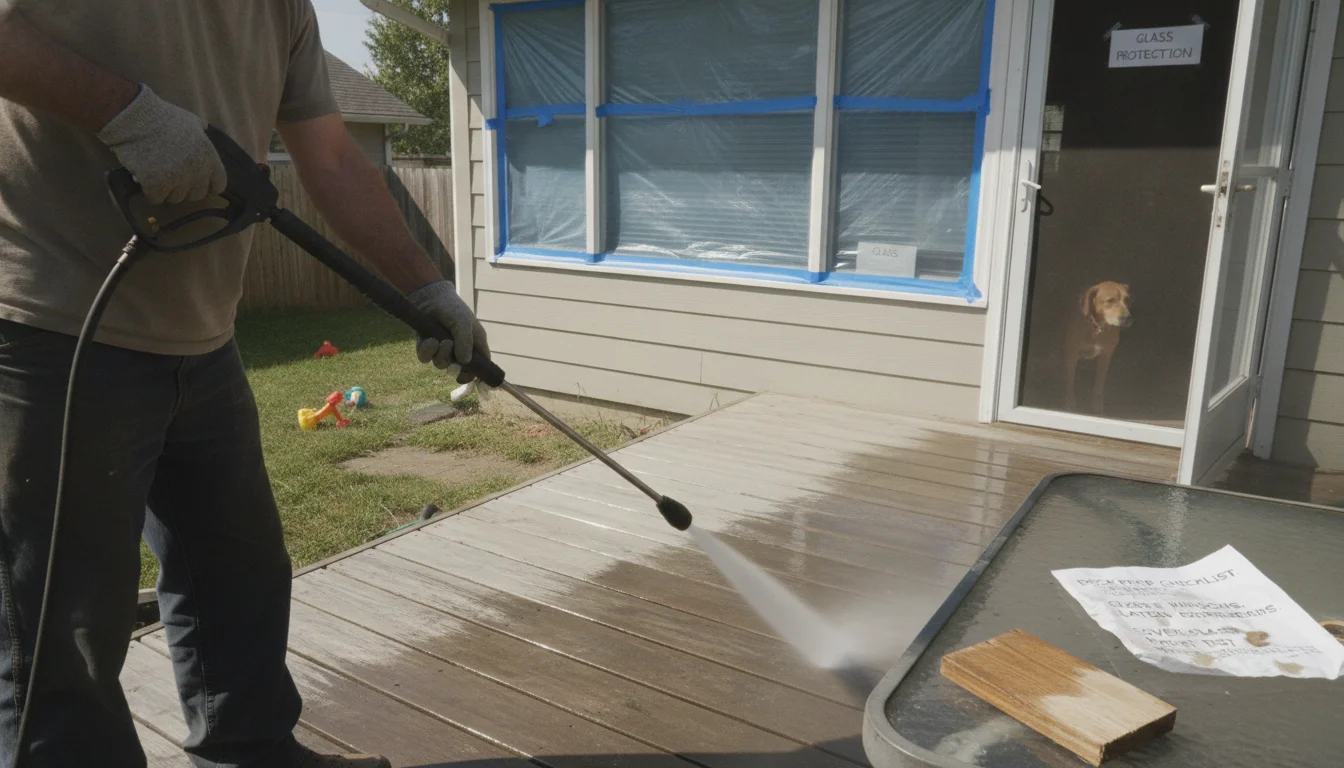
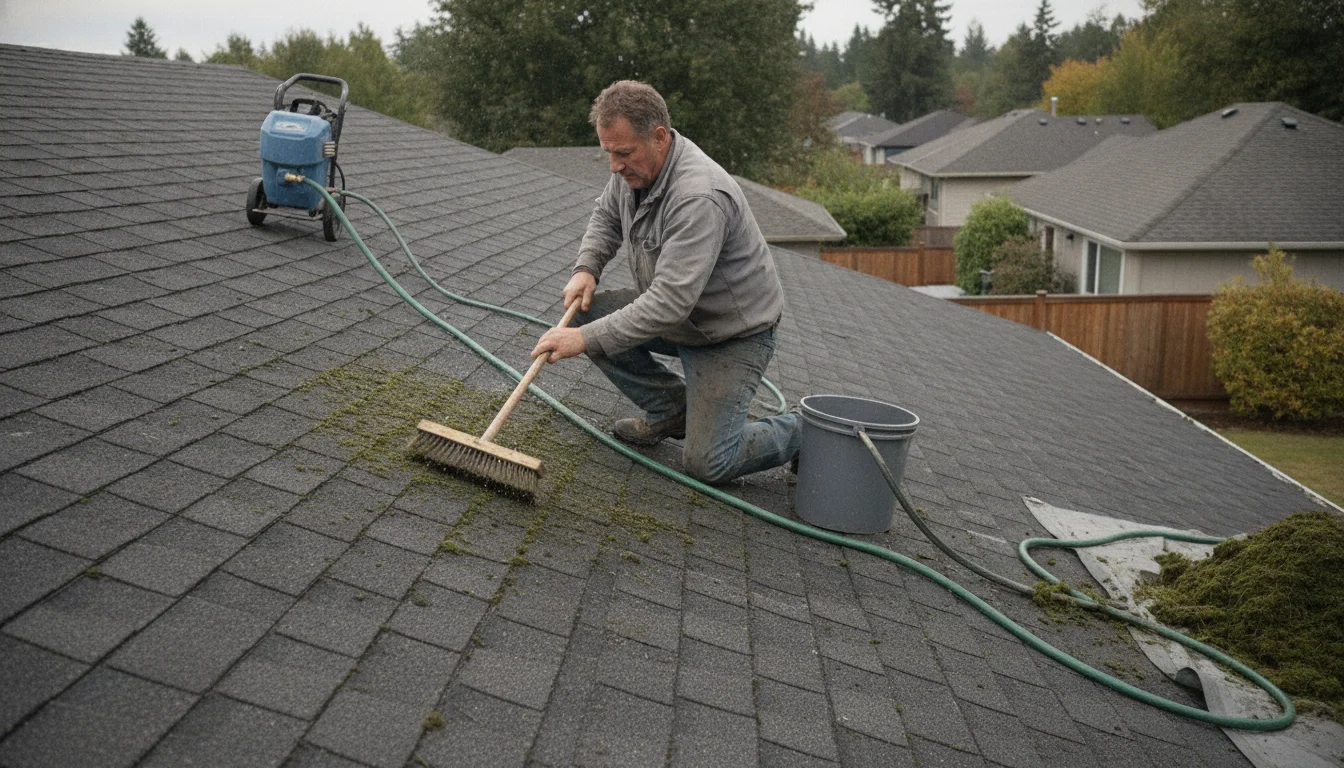
Cedar looks warm and classic—until dark streaks and green spots show up. Many people search for house washing near me and plan to rent a machine, but cedar isn’t like concrete. Here’s the direct answer: for most homes in Los Angeles, soft washing cedar siding is the safer, more effective method because it relies on low pressure and a targeted cleaner to remove mold and algae without lifting the grain or forcing water behind boards.
Soft washing vs. pressure washing: what works best for cedar?
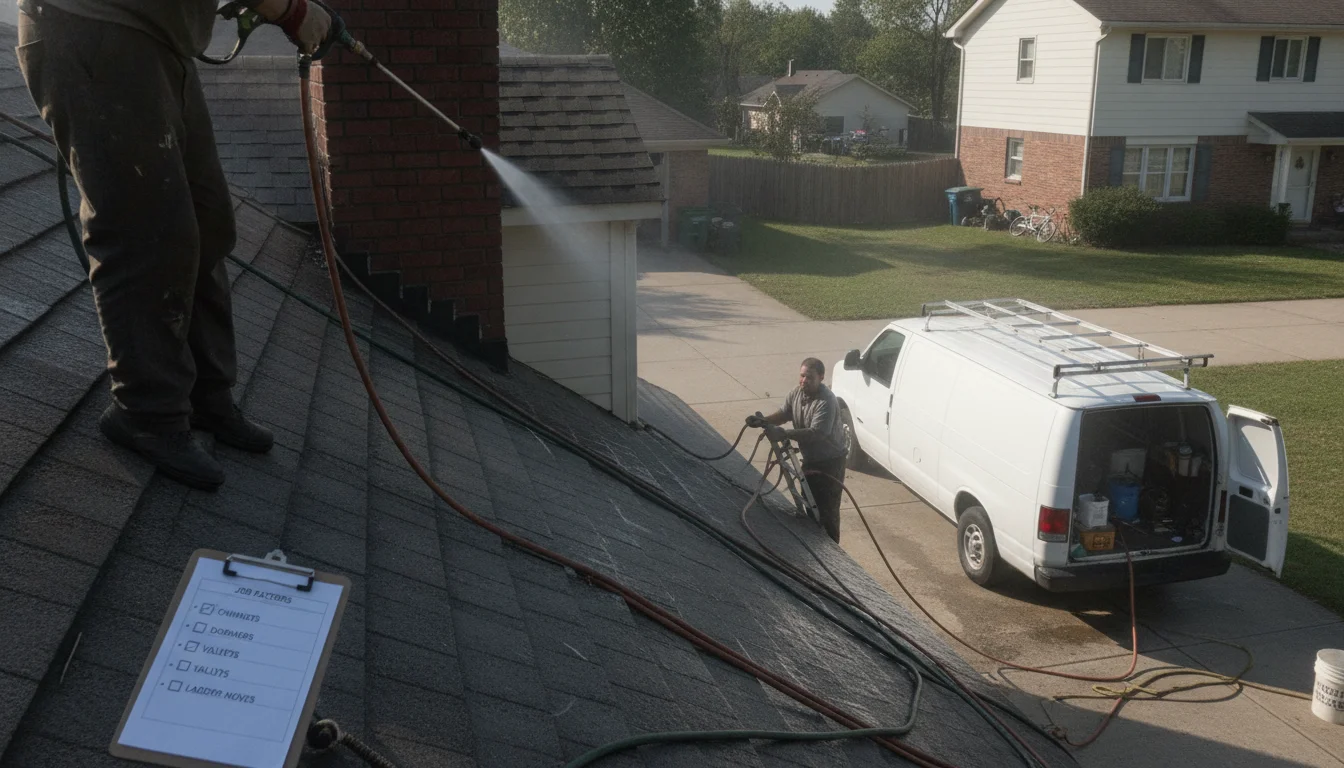
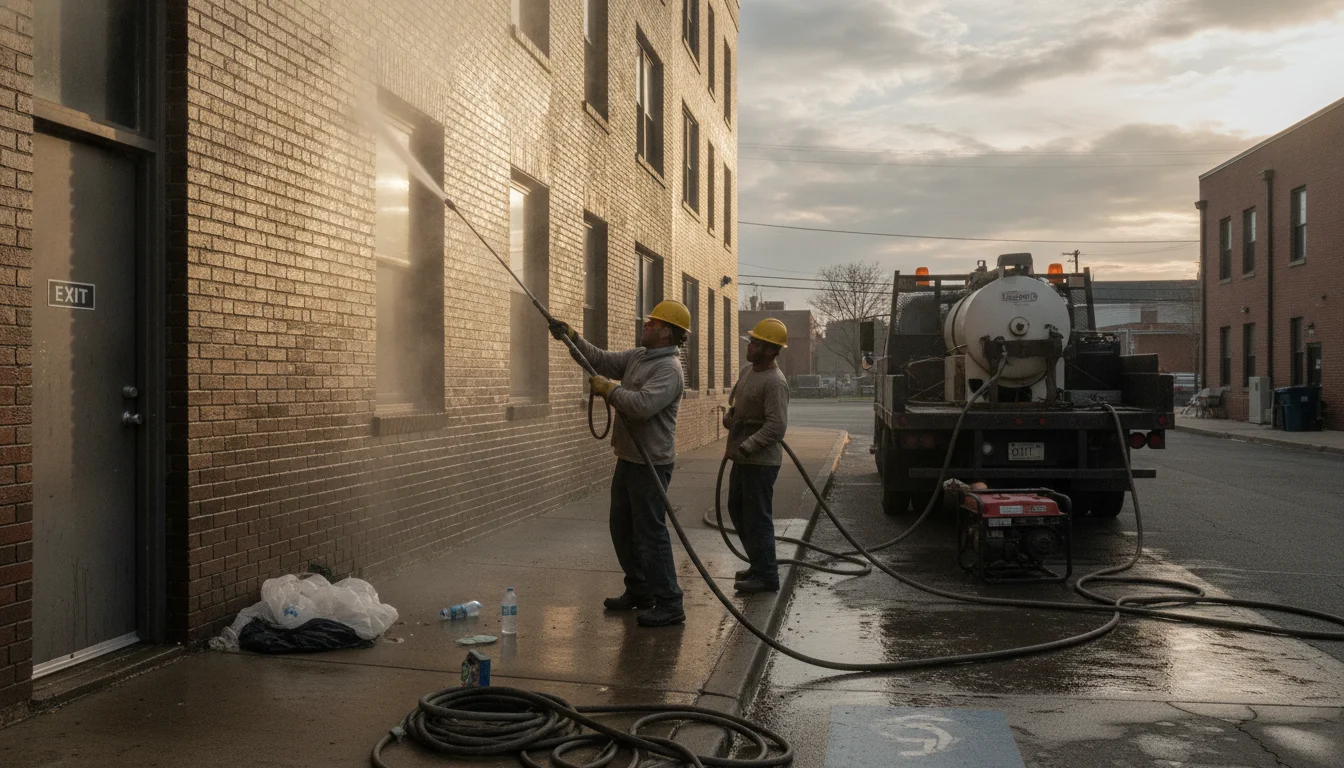
Soft washing uses low pressure water (typically under 500 PSI) with a cleaning solution that does the heavy lifting; the rinse is gentle and controlled. Pressure washing, by contrast, often ranges from 1,500–3,000+ PSI and scrubs with force. For most homes, soft washing cedar siding is the safer choice. It clears mold, mildew, and dirt while protecting the wood fiber and reducing the chance of flooding the wall assembly. Cedar is a soft wood; excessive force can raise the spring wood fibers and shorten coating life. A correct soft wash preserves the wood structure and keeps finishes intact.
Risks to cedar: grain lift, water intrusion, and discoloration
High pressure can make the surface feel fuzzy—called grain lift—when spring wood fibers rise and roughen. That texture traps dirt and ages faster. Water driven behind laps can wet housewrap and sheathing; trapped moisture enables mold growth and may stain fasteners. It can also lead to tannin bleed—brown streaks that come from natural wood oils—especially if coatings are compromised.
Cleaner choice matters. A wood-safe detergent with a small amount of sodium hypochlorite (about 0.5–1% available chlorine at the wall) breaks down organic growth. Surfactants help the solution cling so it can work effectively at low pressure. Pre-wet plants, control runoff, and rinse landscaping thoroughly. In Los Angeles’ coastal-influenced climate, shade-side walls can stay damp longer, so working in cooler parts of the day and watching dwell time helps prevent spotting.
A safe cleaning process for cedar siding
A careful plan protects the home and restores a bright, even look:
- Inspect: Note loose boards, gaps, peeling paint, and stained areas. Test a small, hidden spot first.
- Mask: Cover outlets, doorbells, cameras, and delicate plants. Close windows. Seal obvious gaps with painter’s tape where safe.
- Mix: Choose a wood-safe cleaner per label. Start mild; two light passes are safer than one aggressive mix.
- Apply: Work from bottom up to avoid streaks. Allow dwell time (often 5–10 minutes in shade) so chemistry can do the work.
- Agitate: Use a soft brush on stubborn patches. Keep strokes with the grain.
- Rinse: Use low pressure at a downward angle. Do not drive water up under laps or into joints.
- Post-wash: Rinse plants again. If needed, use a wood brightener to even out color, then let siding dry fully before stain or paint.
Choosing the right method and a maintenance plan
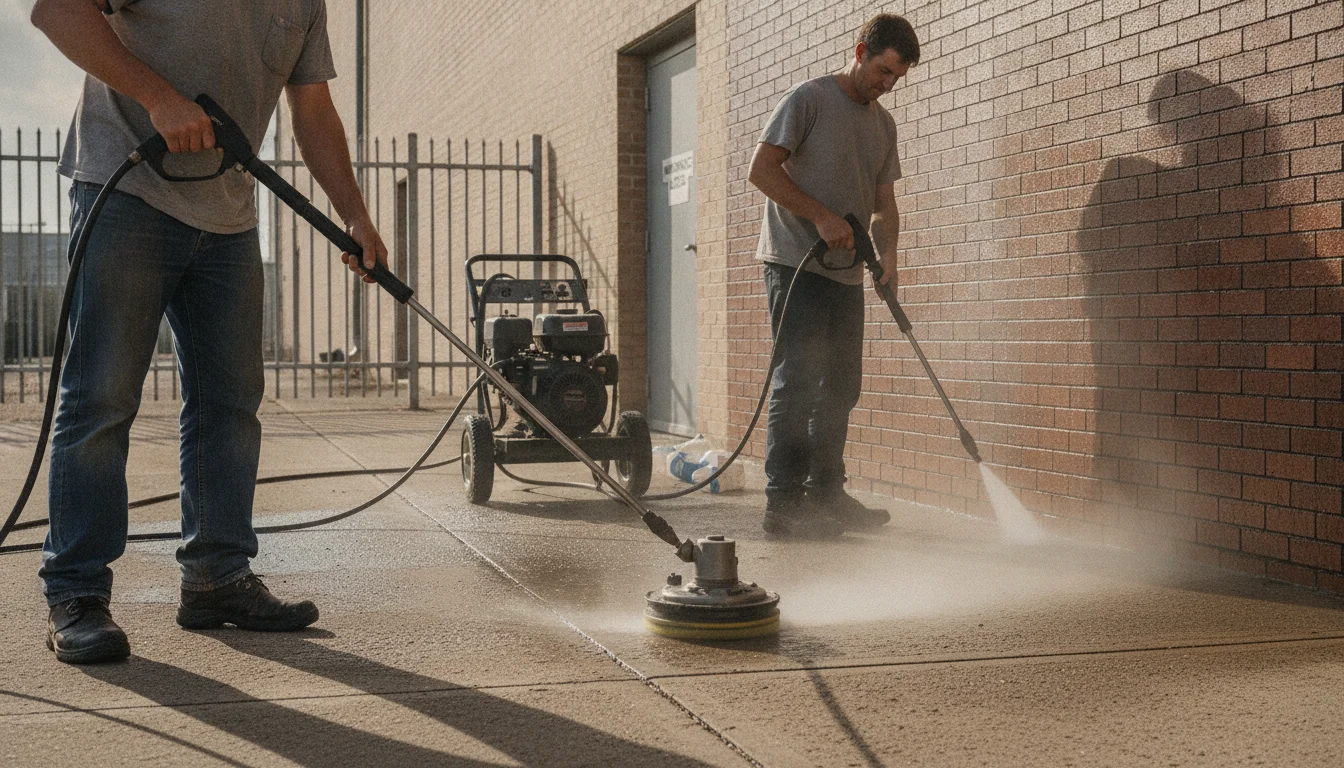
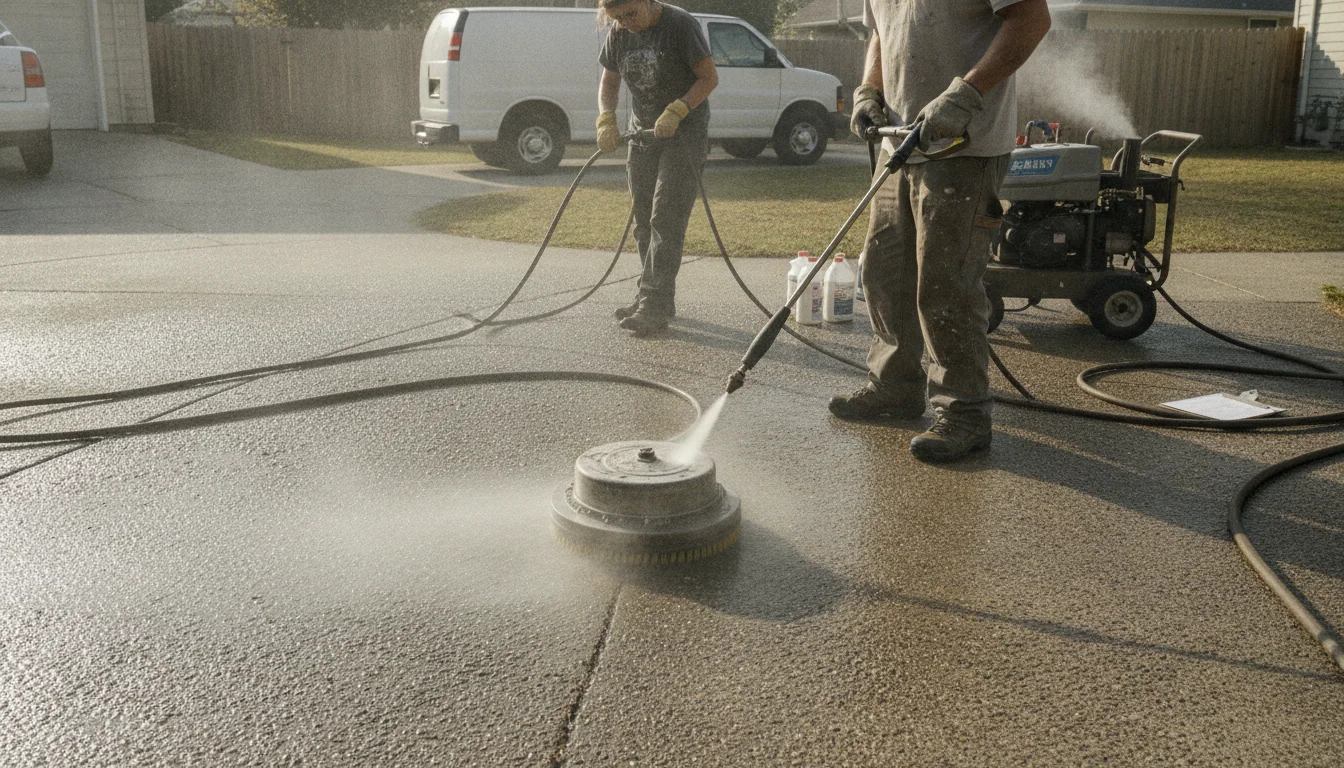
Soft washing cedar siding is typically enough on light soil and early algae. After the cleaner breaks down organics, a gentle rinse carries away residue. For heavier growth, two light applications are safer than one hard blast. Reserve higher pressure for hard surfaces like concrete, not cedar siding.
Painted or stained cedar adds a protective layer; always follow the coating manufacturer’s care guide and warranty instructions. Heat, harsh chemistry, or too much dwell time can dull a finish. Keep surfaces cool, shaded, and gently rinsed. The same low-pressure, solution-first approach is also appropriate when soft washing stucco and for delicate painted trim; vinyl siding tolerates more rinsing but still benefits from a soft wash method that relies on chemistry instead of force.
Plan simple upkeep. In many Los Angeles neighborhoods, a wash every 12 to 24 months controls stains before they set. Spring or fall is ideal when temperatures are mild and drying is steady. Light DIY care—like low-pressure rinsing of dust and trimming vegetation—helps. For deeper cleaning, House Washing Services in Los Angeles | Exterior Cleaning and Soft Washing Services in Los Angeles | Gentle Exterior Cleaning have the tools to do it right. Los Angeles Power Washing serves areas across Los Angeles week in and week out, pairing safe chemistry with trained technicians and tidy rinsing.
Frequently Asked Questions
Can you pressure wash cedar siding at all?
You can rinse cedar, but keep pressure very low—aim for under 500 PSI with a 40° (or wider) fan tip. Let the cleaner do the work, not force. Maintain a safe distance and aim downward. If you see the wood begin to fuzz, stop and switch to a softer method.
What cleaner is safe for cedar?
A mild, wood-safe detergent with a small amount of sodium hypochlorite (about 0.5–1% at application) works on mold and algae. Add a surfactant to help it cling. Always follow the label, pre-wet plants, and rinse thoroughly. Test a small area first to confirm color stability and finish compatibility.
How long should cedar dry before staining or painting?
Let cedar dry completely. Dry time depends on shade, airflow, and weather. Many pros wait several warm, dry days after washing; a moisture meter reading below about 15% is a common target before staining or painting to ensure proper adhesion.
Key takeaways
- Soft washing is the safer choice for most cedar siding in Los Angeles.
- Use low pressure and the right cleaner; let chemistry work rather than force.
- Protect the home: manage water, shield plants, and rinse downward.
- Follow coating manufacturer rules for painted or stained cedar.
- Plan routine care every 12–24 months to maintain appearance and longevity.
Conclusion
Cedar needs care, not force. A gentle wash, smart chemistry, and a low-pressure rinse clean effectively while protecting the wood and finish. Los Angeles Power Washing works across Los Angeles to set up safe plans for cedar siding and other exterior surfaces. Contact us.