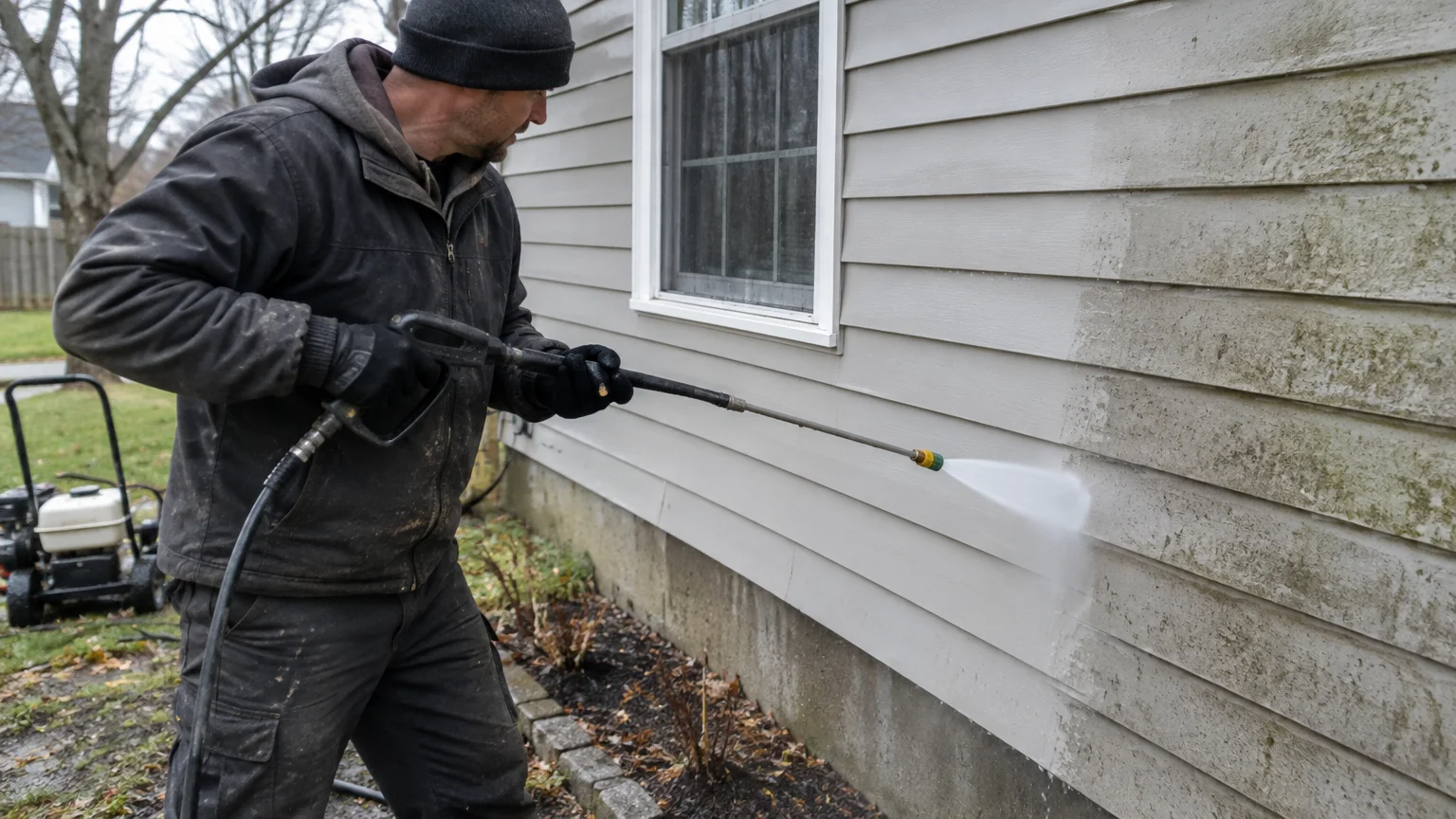
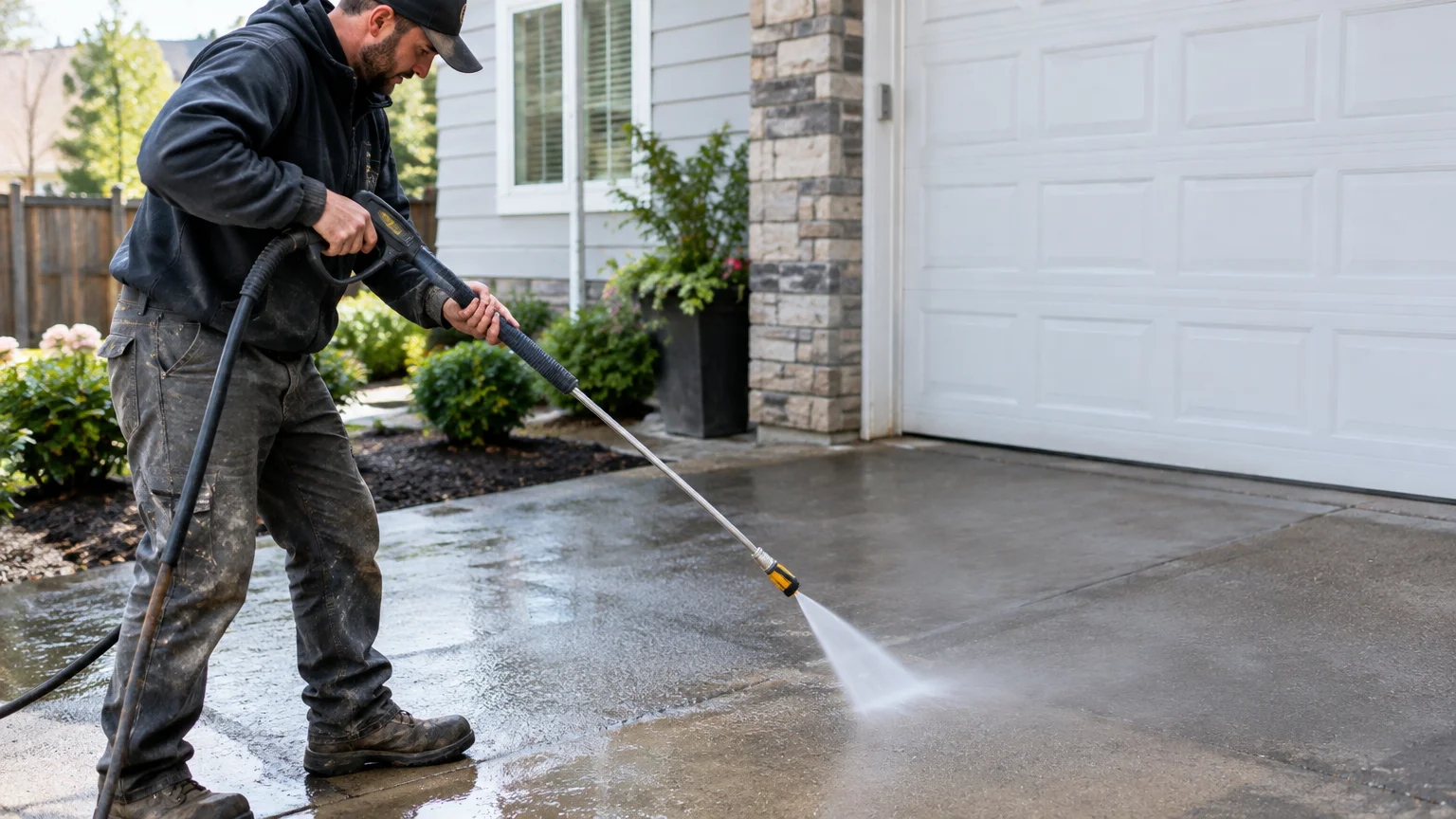
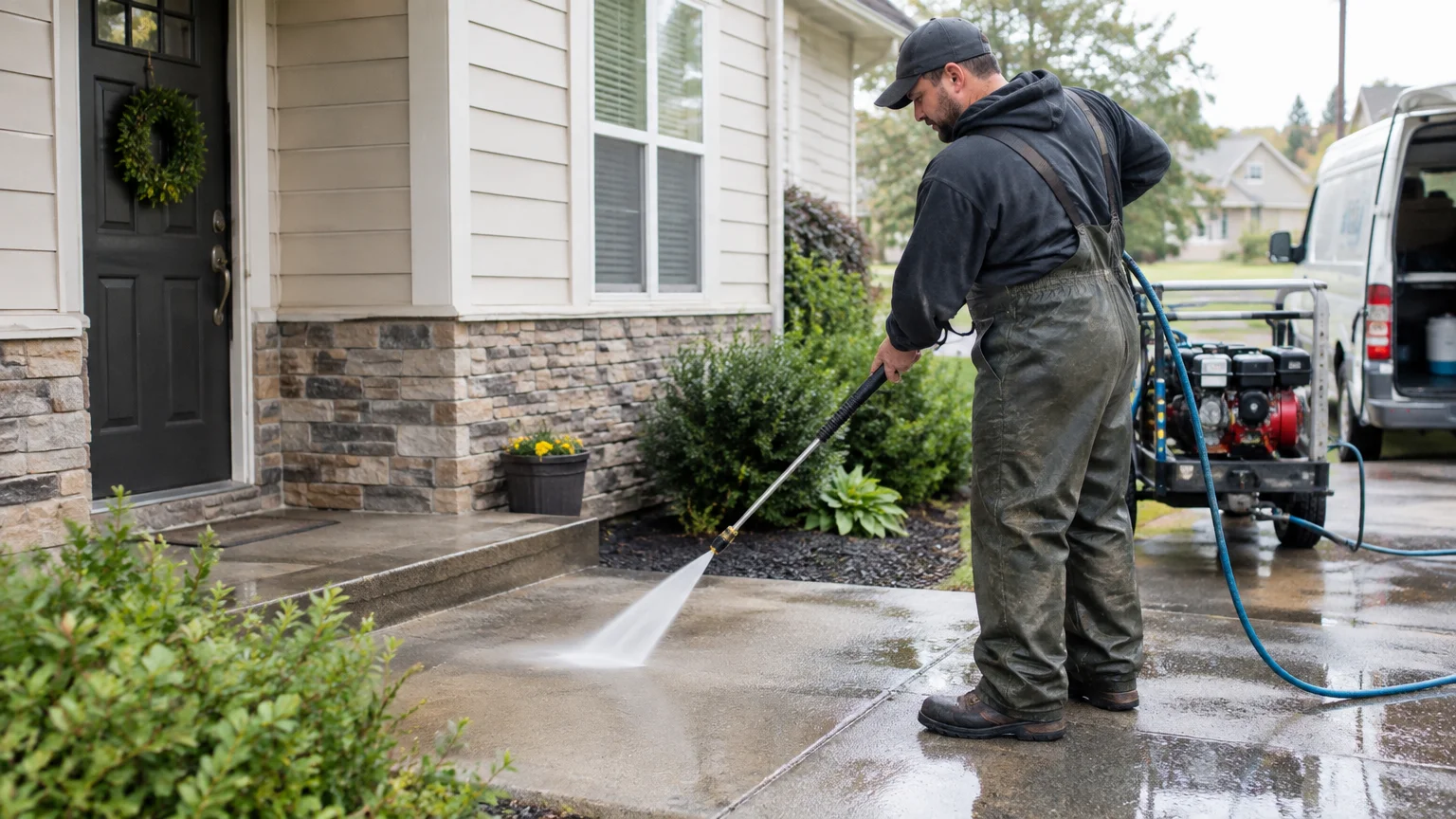
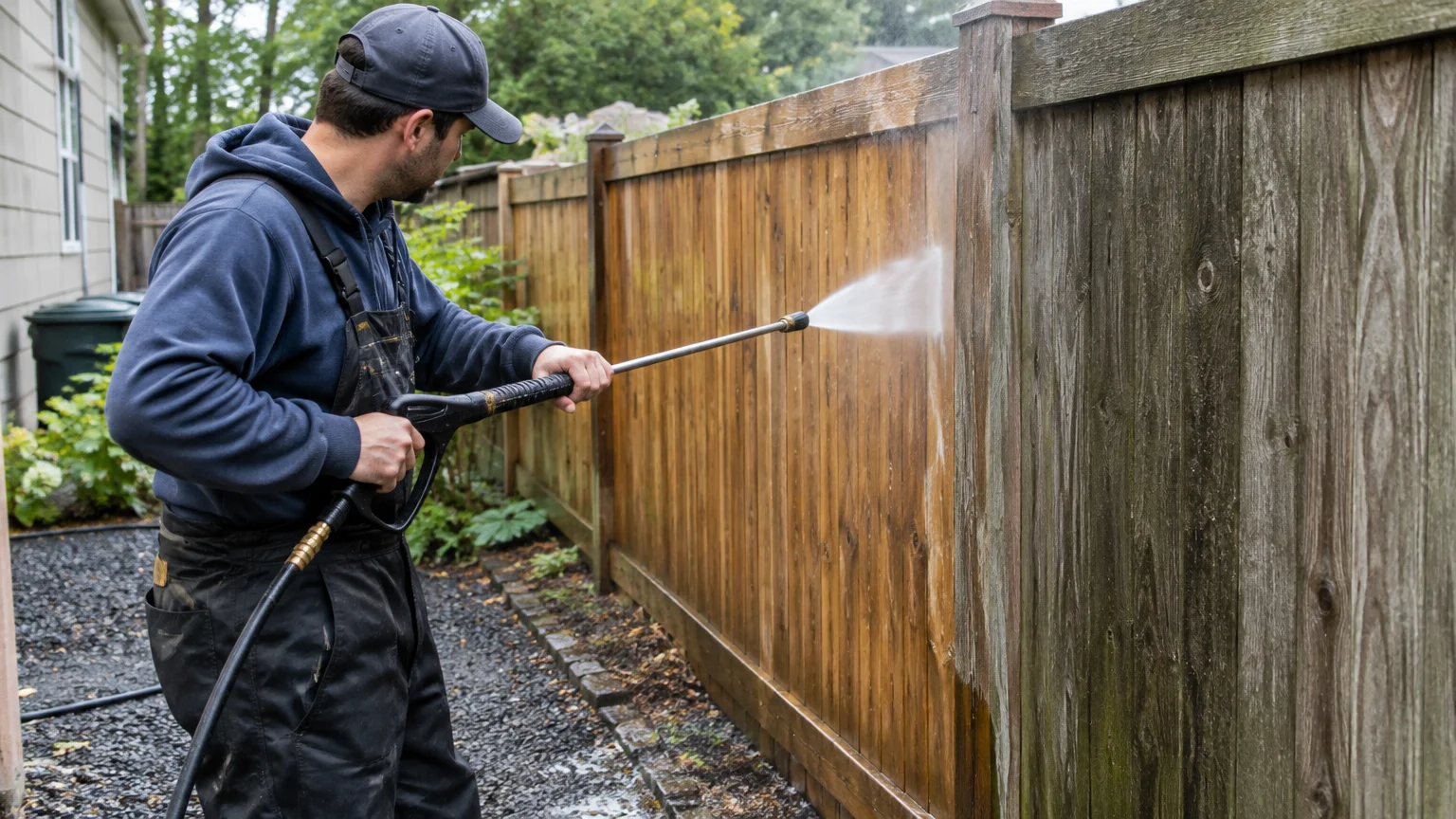
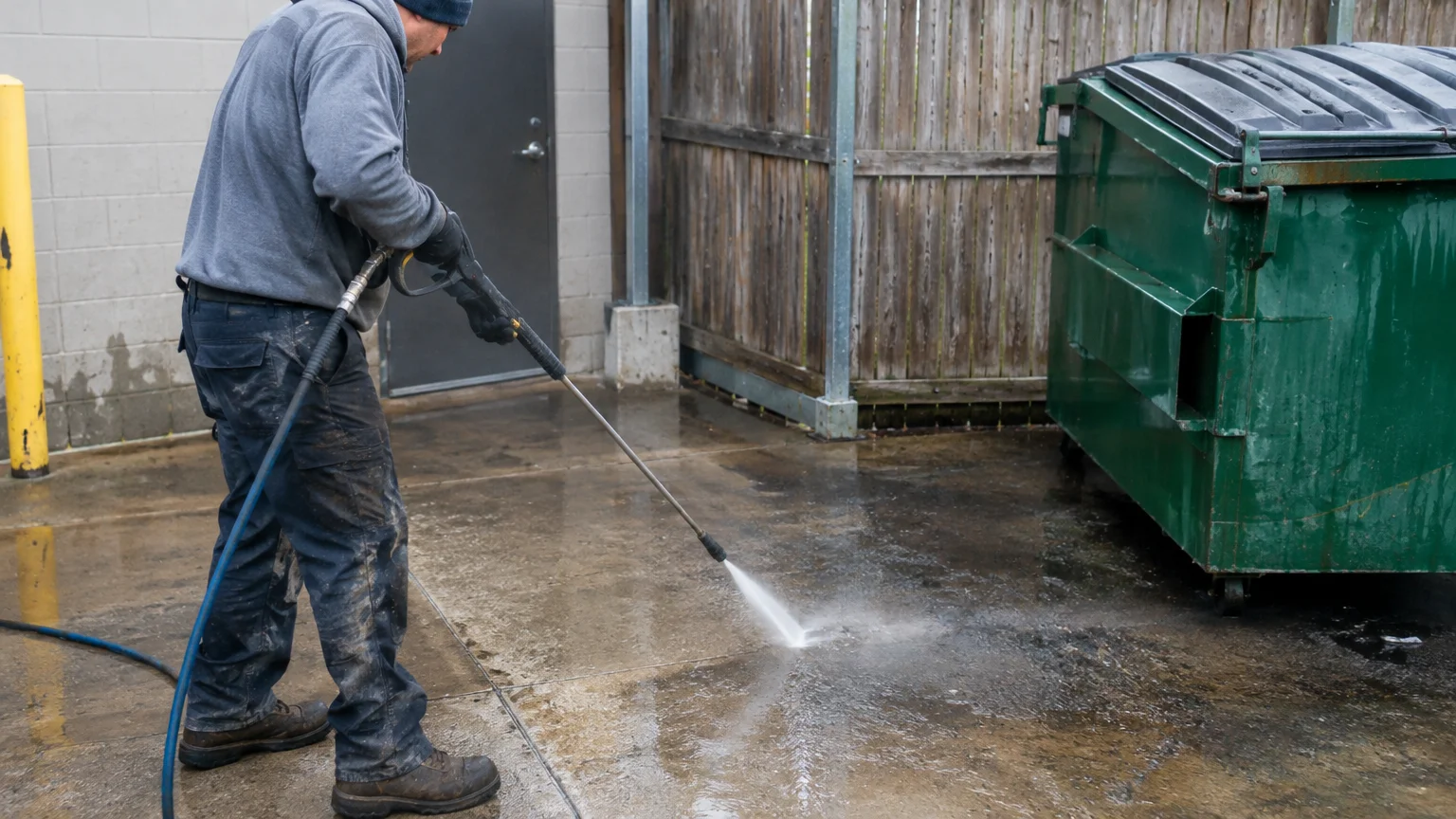
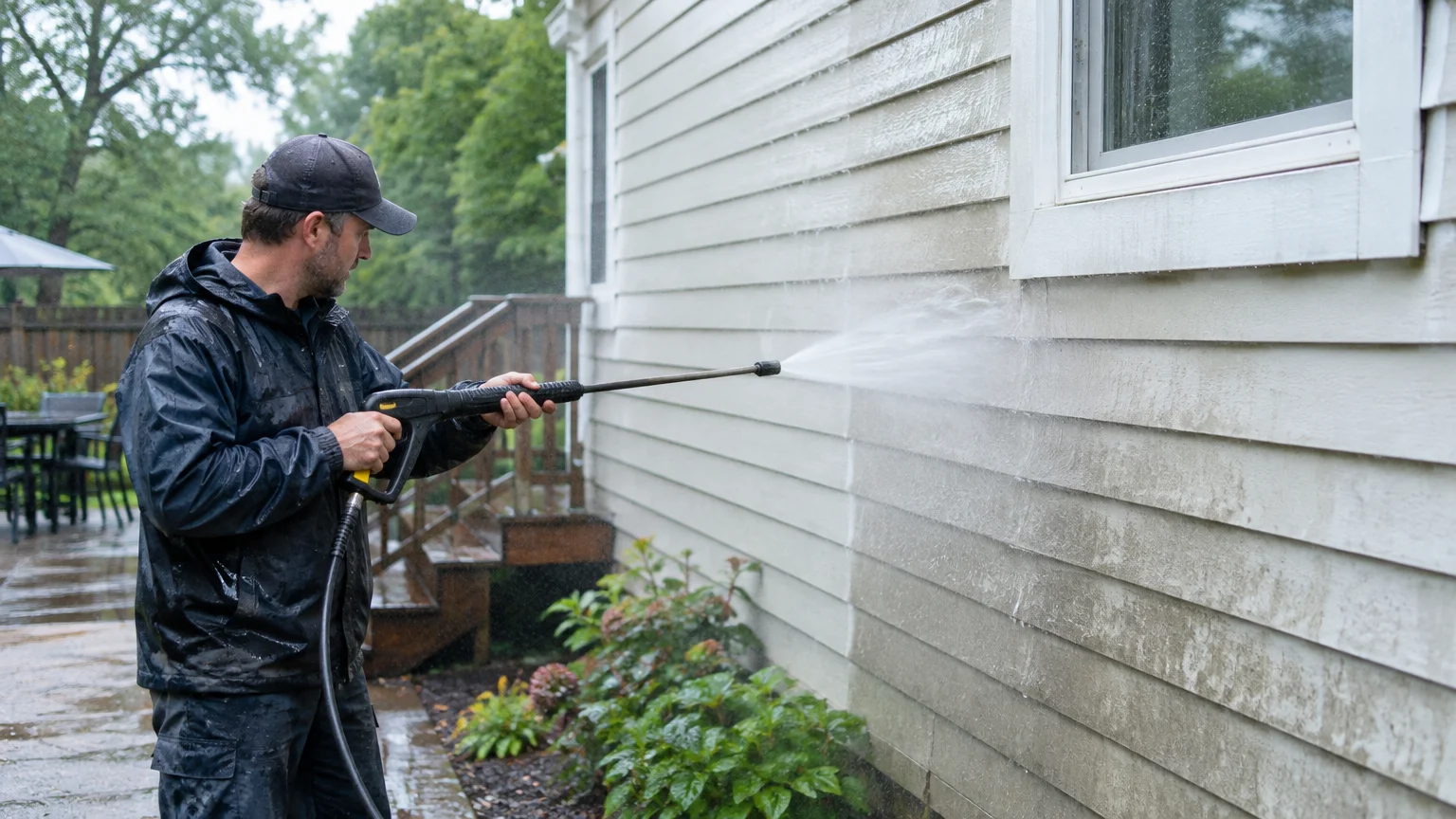
Exterior prep before house washing helps protect siding, windows, plants, and outdoor items. Walk around the home, close all openings, move loose items, and note stains or damage. These easy steps give the house washing team better access and help them choose a safer cleaning method for each surface.
Table of Contents
- Why is exterior preparation important before house washing?
- What should you inspect around the exterior before washing?
- How should you protect doors, windows, plants, and outdoor items?
- Should you close windows and check outdoor connections before washing?
- What cleaning concerns should you identify before house washing?
- What should homeowners avoid doing before professional house washing?
- What is the final exterior prep checklist before house washing?
Why is exterior preparation important before house washing?
Exterior preparation lowers risk and helps the cleaning visit run well. A clear work area gives the crew better access to siding, brick, stucco, trim, and other surfaces. It also helps them find weak spots before water and cleaning solution reach the walls.
How preparation protects your home and improves cleaning results
Preparation does not replace professional skill. It gives the cleaning team helpful information about your home. You may know about a loose shutter, a leaking window, or a weak patch of paint that is hard to see from the ground.
The best cleaning method depends on the surface and the buildup. Soft washing uses low water pressure and a cleaning solution. This method can suit delicate siding and painted areas better than a strong spray. Brick, stucco, vinyl, and wood may each need different care.
A clear work zone also helps prevent trips and delays. Toys, planters, hoses, and chairs can block the walls. Move them before the visit so the crew can focus on cleaning instead of clearing small items.
What can go wrong when preparation is skipped
Open windows can let water inside. Loose decorations may fall. Weak paint may peel when water reaches it. Plants may also need added care when they grow close to the home.
Most homeowners do not need special tools for preparation. They can clear items, close openings, and report concerns themselves. For surface tests or hard stains, it is safer to let a trained professional choose the method.
Los Angeles Power Washing helps property owners plan house washing around the home’s condition. In Los Angeles, a short review before cleaning can make the visit safer and more useful. This applies to homes, rental properties, shops, and other buildings.
What should you inspect around the exterior before washing?
Walk around the property and look for damage before washing starts. Check siding, brick, stucco, trim, gutters, windows, doors, and painted surfaces. Mark any weak or broken area and tell the cleaning team about it.
Checking siding, brick, stucco, trim, and painted surfaces
Look for cracked siding, lifted panels, missing mortar, chipped stucco, and peeling paint. Check the trim around windows and doors for gaps or soft wood. A small defect may not cause trouble in normal weather, but water can reveal it during cleaning.
Vinyl siding can hold dirt, algae, and mildew on shaded walls. Brick may hold dark soil in its joints. Stucco can have small cracks or worn areas that need gentle cleaning. Painted surfaces may need low pressure so old paint does not lift.
Check gutters and downspouts as well. Loose sections can move when water reaches them. A blocked downspout may send dirty water across a walkway, driveway, or planting bed.
Identifying damage, loose materials, and areas needing special care
Inspect the whole wall, not only the front entry. Walk around corners and look beneath windows. Check fences, decks, porch ceilings, and outdoor structures if they are part of the planned work.
You can take notes or pictures for reference. The team can compare the surface before and after cleaning. This may show which marks came off and which ones are deeper damage.
Do not scrape, patch, or paint damaged areas right before washing. Fresh repairs may need time to set. The cleaning professional can explain whether washing should happen before or after repair work.
If you also need driveway washing prep, clear vehicles, toys, tools, and loose items from the driveway. Point out oil marks, rust, cracks, and nearby drains. This gives the crew a clear view of the area and helps protect items near the work zone.
How should you protect doors, windows, plants, and outdoor items?
Move loose items away from exterior walls and protect plants near the work area. Windows and doors should close fully. Furniture, toys, decorations, grills, and tools should move to a dry, safe place.
Moving or covering furniture, decorations, and equipment
Clear a path around the home so the crew can reach each side. Move patio furniture, play equipment, planters, rugs, and garden tools. Cover large items that cannot move, but ask the cleaning team which covers are safe.
Look closely at outdoor lights, cameras, speakers, and decorations. Remove or secure loose pieces. Delicate objects should not stay near the spray area unless the team confirms they have protection.
Pool equipment, air-conditioning units, grills, and outdoor kitchens may need special care. Keep these items easy for the crew to reach. Do not block them with furniture, bins, or other stored items.
Protecting landscaping and preventing water from entering the home
Only water plants before service if the professional advises it. Keep branches away from the walls when possible. Point out delicate flowers, new plants, and areas where runoff may collect.
A cleaning team can use suitable methods to protect nearby landscaping. Do not wrap plants tightly for a long time or place covers against hot equipment. The goal is to shield sensitive areas while allowing air to move.
Doors and windows must seal well. Check basement windows, garage doors, pet doors, and screens. If a window leaks during rain, tell the team before washing begins.
Los Angeles Power Washing can help property owners decide what should move and which areas need special care. Good preparation protects the property and the people using it.
Should you close windows and check outdoor connections before washing?
Yes. Close and latch every window and outside door before house washing starts. Also check vents, hose connections, outdoor outlets, and visible utility openings for loose covers or damage.
Securing windows, doors, vents, and utility openings
Close all windows, including basement and attic windows. Locking them can help keep the seal tight. Check sliding doors and screen doors because they may look closed while leaving a small gap.
Do not block required vents. Instead, point out vents that need careful treatment. Dryer vents, bathroom vents, and foundation vents should have secure covers. Report damaged covers before cleaning.
Look at hose bibs and pipe openings for leaks. A loose connection may let water into a wall or crawl space. Share any known leak, damp spot, or past water issue with the cleaning team.
Managing electrical fixtures, hose connections, and exterior outlets
Outdoor outlets should have secure covers. Identify loose light fixtures, cameras, and doorbells. Never remove electrical parts or cover a damaged fixture with tape as a quick fix.
The team may protect sensitive fixtures during its normal work plan. Your notes are still useful. A short list of concerns can prevent missed details during a busy visit.
If you are unsure about an electrical problem, contact a qualified electrician. Pressure washing is not a safe way to test or repair wiring. Simple preparation is safe for most homeowners, but repairs belong with the right professional.
What cleaning concerns should you identify before house washing?
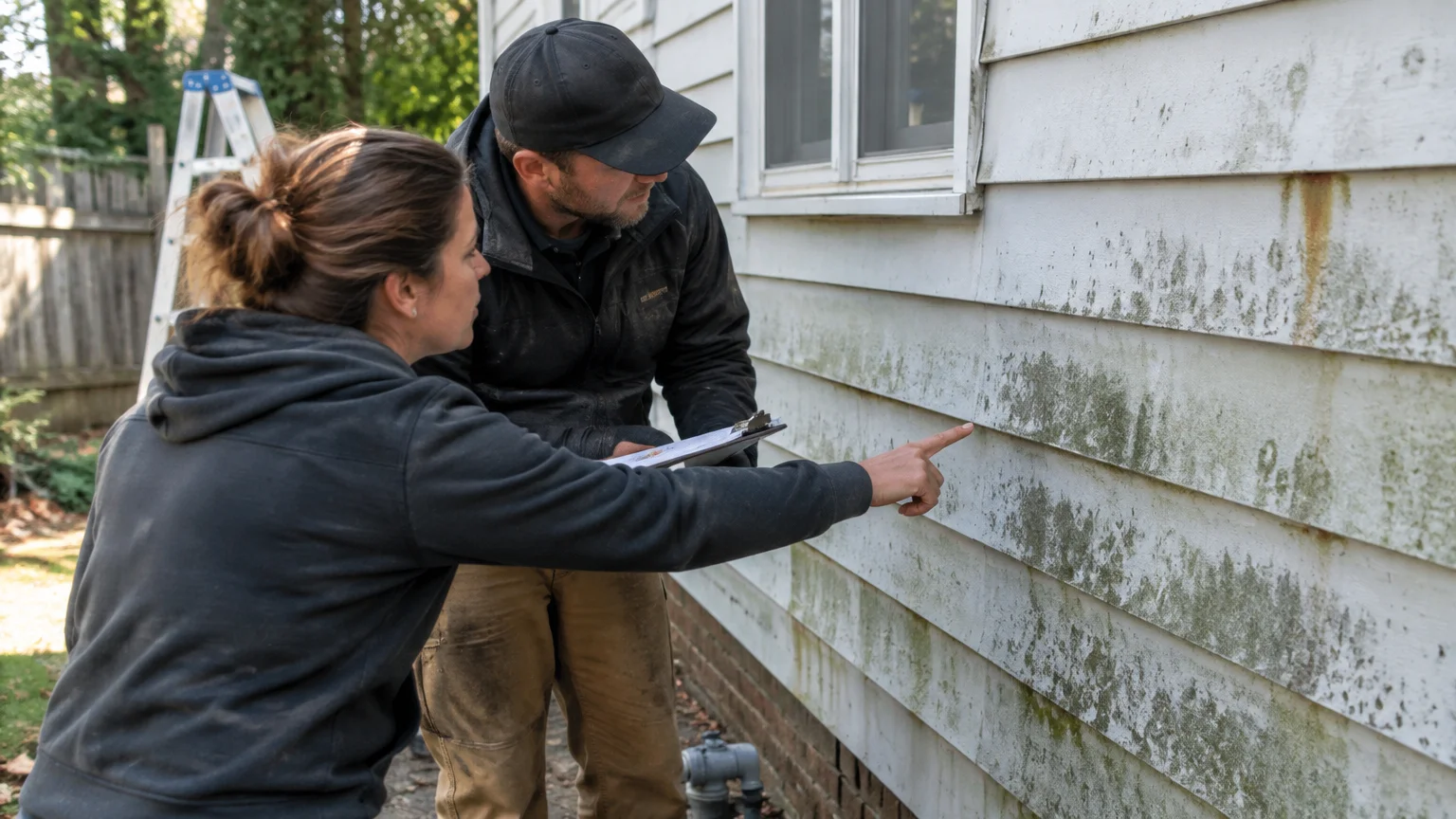
Point out mold, mildew, algae, dirt, rust marks, bird waste, and other buildup before cleaning. The type of growth and the surface below it can affect the cleaning plan. Stains that remain may have a deeper cause.
Recognizing mold, mildew, algae, dirt, and other buildup
Mildew often looks gray, black, or green in damp shade. Algae may form green streaks on siding and other outdoor surfaces. Dirt and pollen can cover wide areas, while rust and sprinkler stains may need separate treatment.
Do not assume every dark mark is mold. Some marks may be failed paint, tannin stains, oxidation, or surface damage. A professional can inspect the area and explain what cleaning may remove.
Mention places that stay wet, such as shaded walls, areas below leaking gutters, and spots near sprinklers. Fixing the water source may help keep the surface cleaner after washing.
Preparing for delicate surfaces and areas with stubborn staining
Siding, painted wood, stucco, and old mortar can be sensitive. A professional may test a small area before cleaning the full wall. This shows how the surface reacts to water and cleaning solution.
Do not mix bleach, acids, detergents, or other cleaners before the appointment. Some mixtures can harm plants, metals, finishes, or people. Let the cleaning team choose products that fit the surface and buildup.
Exterior house pressure washing can help with many common marks, but it cannot repair damaged material. A clean wall may make cracks, faded paint, or worn caulk easier to see. That information can guide later repairs.
Pressure washing costs can vary based on surface size, access, material, buildup, and the work method. Ask for a quote after the property is reviewed. The final cost should be confirmed on that quote.
What should homeowners avoid doing before professional house washing?
Avoid guessing at pressure settings, mixing chemicals, or hiding damage before service. Preparation should make the property safer, not create new risks. Most people can clear items and report concerns without using a pressure washer themselves.
Common preparation mistakes that can cause damage or delays
A common mistake is using a high-pressure nozzle on siding before the professional arrives. Water can get behind panels, strip paint, or damage soft material. Another mistake is using a strong product that reacts badly with the finish.
Many people search for the right pressure washer setting. There is no single safe setting for every home. The right approach depends on the surface, nozzle, distance, water flow, and cleaning solution. A low-pressure soft wash may suit siding better than a strong spray.
Avoid painting, sealing, or staining just before washing. Fresh coatings may not be ready for water. If a deck needs cleaning before staining, tell the cleaner about the planned work so the surface can dry and prepare properly. The same applies to cleaning a deck before restaining.
When to leave surface testing and treatment decisions to professionals
Professional help is wise when a wall is fragile, tall, stained with an unknown substance, or close to delicate plants. It is also wise when the home has old paint, loose stucco, cracked mortar, or signs of water entry.
You do not need a professional to move chairs, close windows, or inspect visible damage. A professional should handle pressure tests, chemical choices, and work near unsafe heights. This protects the home and lowers the chance of injury.
What is the final exterior prep checklist before house washing?
The final checklist should confirm that the home is easy to reach, openings are closed, loose items are moved, and concerns are ready to discuss. A clear plan helps the cleaning team work safely. It also helps you understand what the service can and cannot fix.
Key takeaways for a safer, more efficient service visit
- Inspect every exterior wall for cracks, loose siding, worn paint, damaged trim, and open gaps.
- Close and latch windows and doors before the cleaning team arrives.
- Move furniture, toys, tools, decorations, and small equipment away from the work area.
- Point out plants, electrical fixtures, leaks, stains, and fragile surfaces that need care.
- Avoid mixing cleaners or testing high pressure unless a qualified professional directs the work.
Check that the crew can reach each side of the home. Open gates, keep pets inside, and move vehicles from the driveway when needed. These simple steps can prevent delays.
How to coordinate the next step with a house washing professional
Share your inspection notes before work begins. Tell the team which surfaces are included, where stains appear, and whether painting, deck cleaning, or repairs are planned afterward. The team can then choose a method that fits the property.
Los Angeles Power Washing serves property owners in the main Los Angeles area. Its service area includes Downtown Los Angeles, Hollywood, Beverly Hills, Glendale, Culver City, Santa Monica, and nearby communities. The same preparation helps homeowners, landlords, tenants, and business owners plan exterior cleaning.
Frequently Asked Questions
What psi pressure washer do you need to clean siding?
There is no safe setting for every type of siding. Vinyl, wood, painted surfaces, and older materials can react differently to pressure and water flow. Many homes suit a soft wash method better than a strong spray. A professional should test the surface and choose the safest approach.
How often should a house be power washed?
The right schedule depends on shade, moisture, dust, trees, weather, and the surface finish. A home near trees or damp ground may need care sooner than a dry, open property. Watch for dirt, algae, mildew, and streaks instead of following one fixed schedule.
Can house washing remove mold and mildew?
House washing can remove much surface growth when the right solution and method are used. It may not remove deep stains, damaged paint, or growth caused by an ongoing moisture problem. Poor drainage or leaking gutters may also need attention.
Should a deck be cleaned before staining?
Yes, cleaning a deck before staining helps remove dirt, algae, and old surface debris. The wood must dry fully before stain is applied. A professional can advise on the method, drying time, and condition of the boards, especially before restaining.
Can homeowners prepare for house washing themselves?
Yes. Most homeowners can move loose items, close openings, secure pets, inspect visible damage, and share concerns with the team. Leave pressure testing, chemical mixing, ladder work, and treatment choices to trained professionals when the task presents a risk.
Conclusion
Good preparation makes house washing safer and easier to plan. A careful inspection, clear work area, closed openings, and honest notes about damage give the cleaning team a better start. These steps also help property owners understand what professional cleaning can and cannot fix.
Los Angeles Power Washing can review your property and help plan the next step. Contact us to arrange professional house washing.