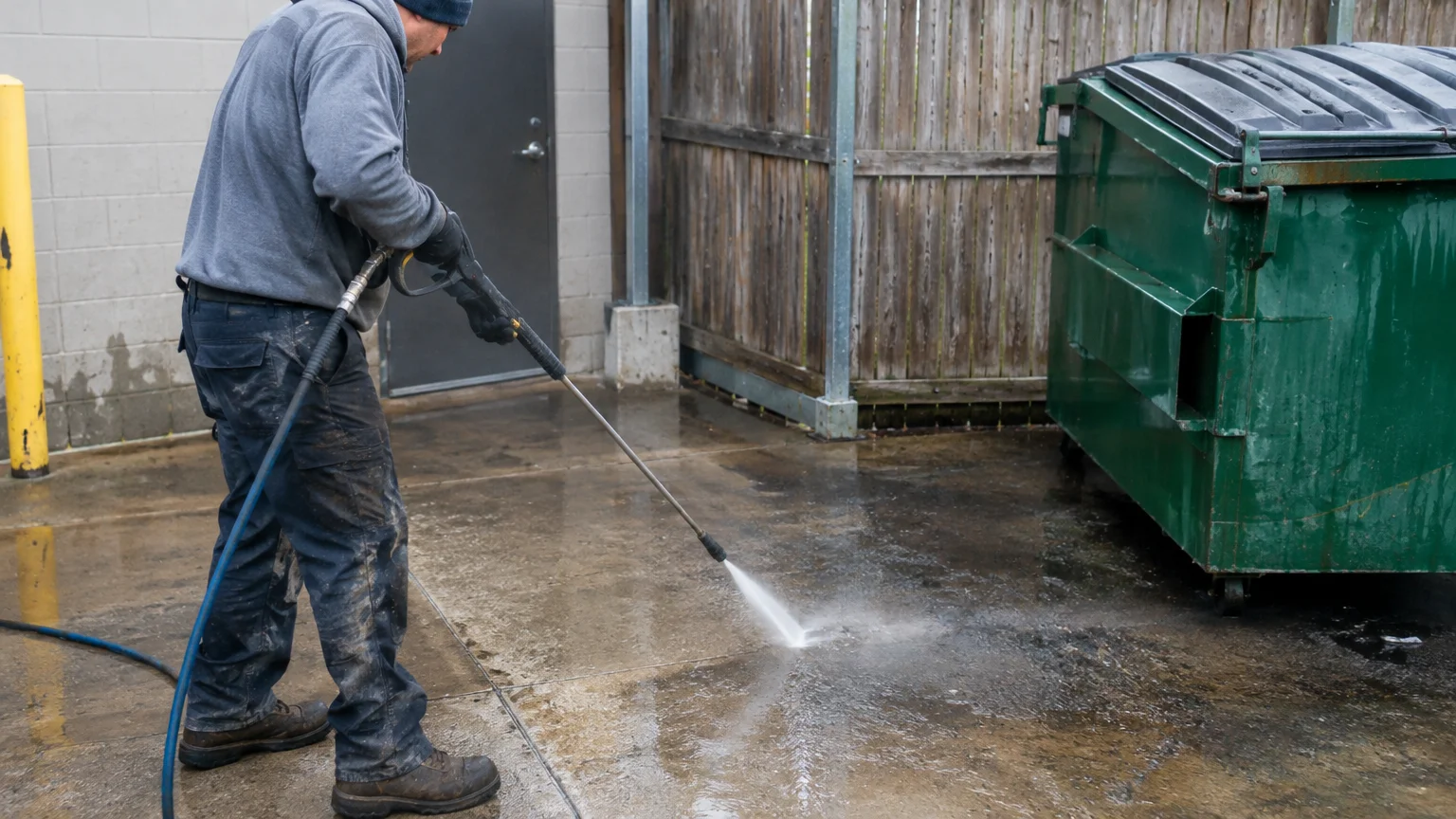
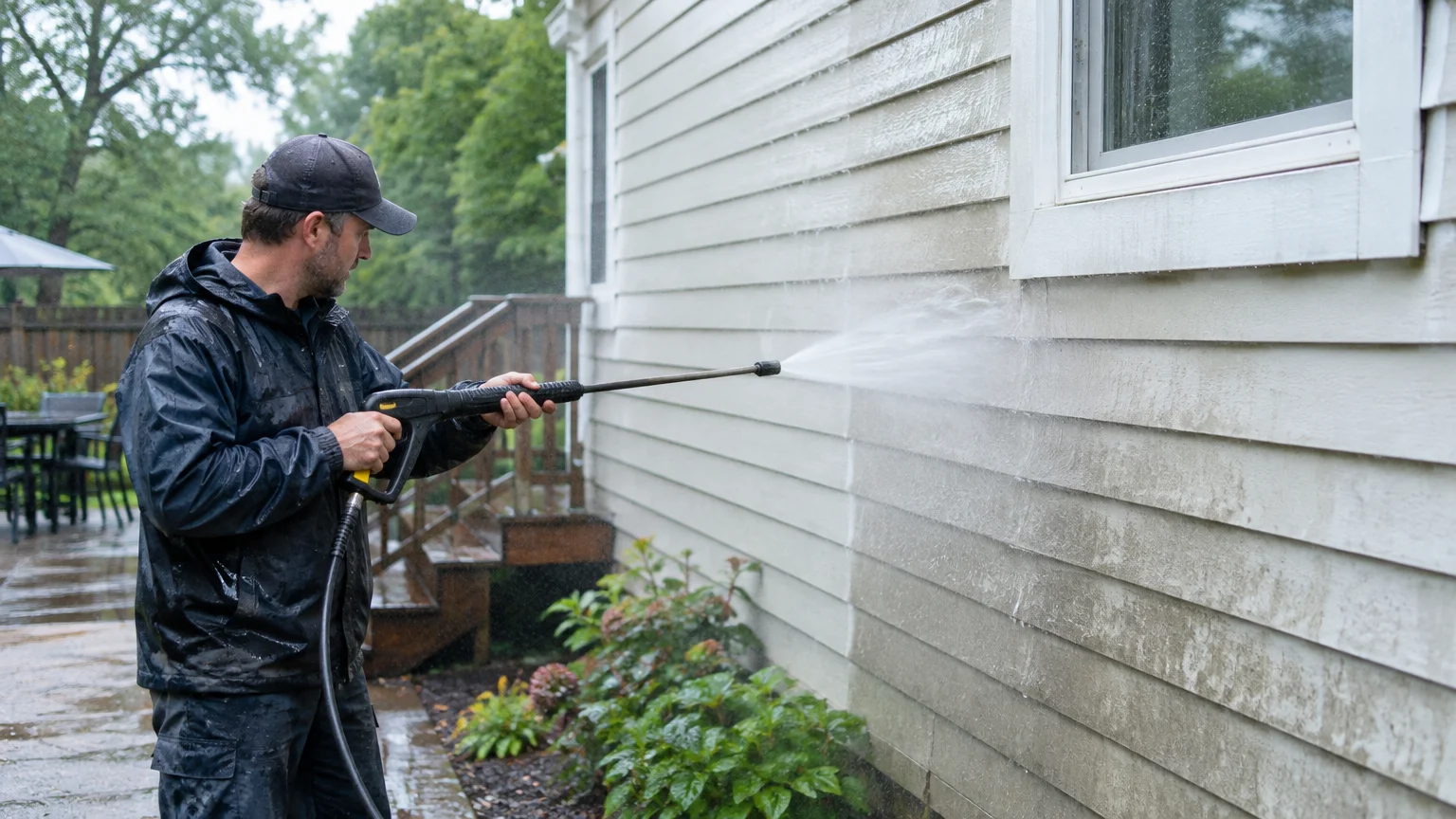
Driveway pressure washing can be eco-friendly when it uses the right pressure, mild cleaners, and careful runoff control. The goal is to remove stains without harming concrete, plants, pets, or nearby waterways. Good planning also helps the driveway stay cleaner for longer.
Table of Contents
- What makes driveway pressure washing eco-friendly?
- Which driveway stains can eco-friendly cleaning remove?
- What cleaners are safe for concrete and nearby landscaping?
- How should homeowners manage driveway washing runoff?
- What is the best process for low-impact driveway pressure washing?
- How can you prevent driveway stains and buildup between cleanings?
- When should you hire a professional for eco-friendly driveway washing?
- Frequently Asked Questions
What makes driveway pressure washing eco-friendly?
Eco-friendly driveway pressure washing uses only the water and pressure needed for the job. It limits strong chemicals, protects nearby soil, and keeps dirty water away from storm drains. This careful method can clean concrete while causing less harm around the property.
How water pressure reduces reliance on harsh chemicals
Water pressure can loosen dirt, tire marks, algae, and surface grime. This may reduce the need for strong cleaners. Yet, more pressure is not always better. Very high pressure can leave marks, expose soft concrete, or remove the top layer of a worn surface.
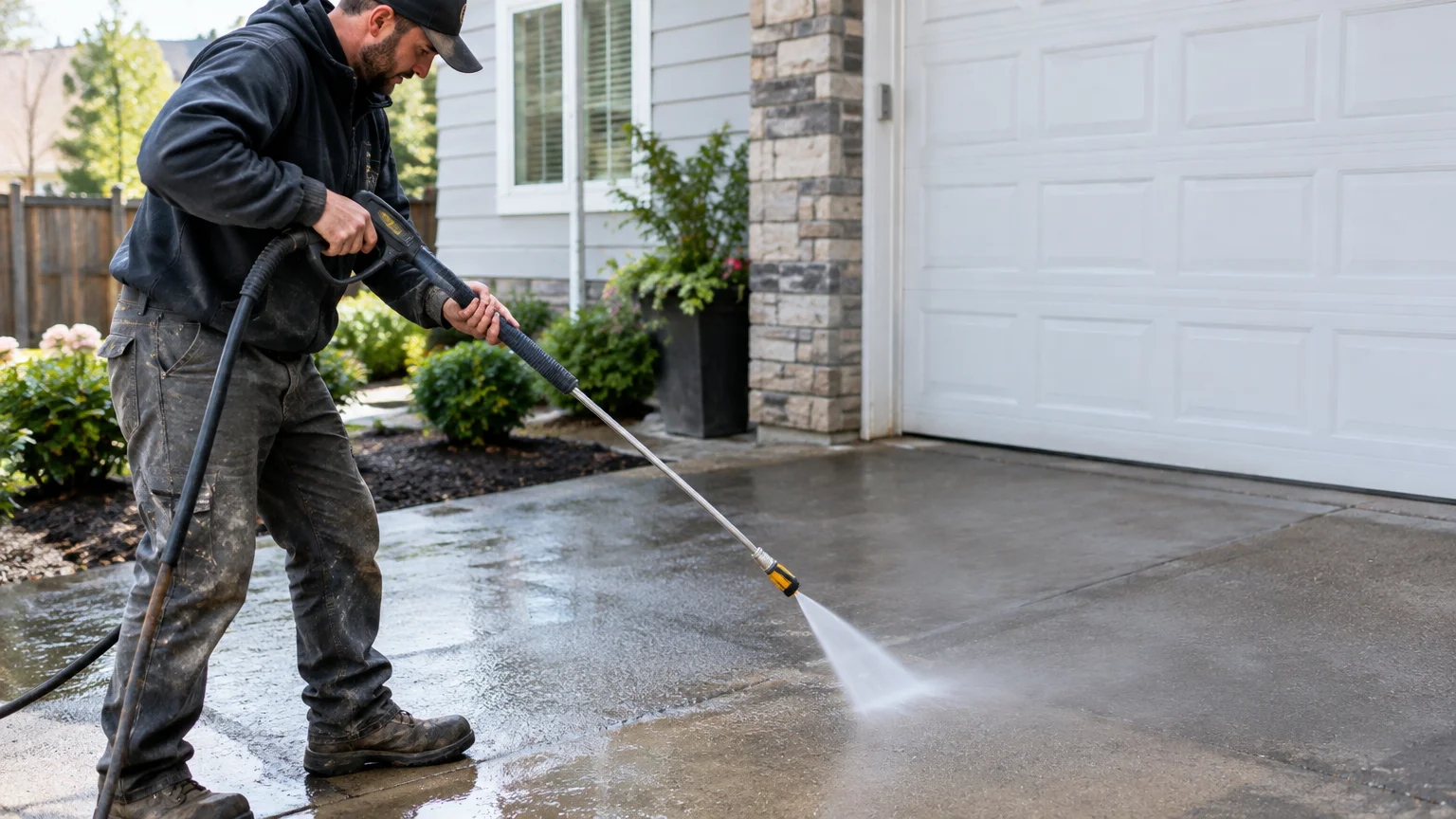
A safer method starts with the lowest pressure that can clean the area. The operator should keep the nozzle moving and hold it at a safe distance. A wide spray pattern often works well on broad concrete areas because it spreads force over more space.
Sweeping first also helps. Leaves, sand, and loose grit can stay out of the runoff. This may shorten the washing time as well. In Los Angeles, pre-sweeping can help protect gardens and paved areas beside the driveway.
Choosing biodegradable cleaners for concrete surfaces
A biodegradable cleaner breaks down through natural processes. It still needs careful use. A product may be biodegradable but can still harm plants, pets, fish, or soil when mixed too strongly.
Read the label before use. It should explain how to dilute, apply, store, and rinse the product. The cleaner should fit both the stain and the surface. Concrete with oil may need a degreaser, while light algae may need mild soap and good rinsing. Los Angeles Power Washing can help property owners choose a method that fits the job.
Which driveway stains can eco-friendly cleaning remove?
Eco-friendly cleaning can remove many common stains. These include dirt, algae, mildew, tire marks, and some oil spots. Results depend on the stain’s age, the concrete’s condition, the weather, and past sealers. Old marks may fade instead of fully disappearing after one cleaning.
Oil, grease, and automotive fluid stains
Oil and grease need more care than loose dirt. A cleaner must break up the oily film before washing it away. A surface-safe degreaser, absorbent material, and gentle scrubbing may help with fresh spills.
Act soon after a spill. Keep people and pets away from the area first. Then absorb the liquid with a suitable material. Do not push the spill toward a curb or drain. Once the main spill is removed, a concrete-safe cleaner can treat the remaining mark.
Old automotive fluid may soak into concrete pores. Pressure washing can improve its look, but it may not remove every dark area. Repeated harsh cleaning can harm the surface without fixing the deeper stain. A professional can test a small spot and explain what result is likely.
Algae, mold, mildew, and organic buildup
Green or dark growth often appears where concrete stays damp and shaded. Algae is a simple plant-like growth. Mold and mildew are types of fungi that grow on damp materials. Each type may need a different cleaner and wait time.
A mild pre-treatment can loosen organic buildup before rinsing. Do not let the cleaner dry on the concrete. When the product label allows it, wet nearby grass, shrubs, and flowers with clean water first. This may lower the chance of plant stress.
Driveway Cleaning Services may also help remove tire marks, soil, and buildup near garage doors. The cleaning method should match the stain. A process for oil may not suit algae or rust. A small test area can help prevent damage.
What cleaners are safe for concrete and nearby landscaping?
The safest cleaner depends on the stain, concrete age, surface condition, and nearby plants. Mild detergents, oxygen-based cleaners, and plant-safe products may work for many jobs. Follow the label, and never pour a product into a street, storm drain, creek, or pond.
Comparing plant-safe detergents, oxygen-based cleaners, and household products
Plant-safe detergents are made to reduce harm when used as directed. They may remove light dirt and organic film. They still need the right mix and full rinsing. A product made for pressure washing is often safer than household soap made for another task.
Oxygen-based cleaners release oxygen when mixed with water. They can help with some organic stains and may be milder than chlorine products. They will not solve every stain. Check whether the product is safe for concrete, plants, pets, and nearby metal.
Household products can be risky when mixed or used too strongly. Never mix cleaners unless the label clearly permits it. Bleach, acids, solvents, and strong alkalis may harm plants, metal, concrete, or people. Some mixtures can also create dangerous fumes.
Products and ingredients to avoid around soil, pets, and waterways
Do not choose a cleaner only because it removes a stain fast. The product may travel with the wash water. It may remain in soil or reach a drain after rain. Strong acids can etch concrete, while some solvents can harm plants and aquatic life.
Read the label and plan where the water will go before cleaning. Keep children and pets away until the surface is rinsed and dry. Cover plants only when the label allows it. Some covers can trap heat and harm leaves.
Concrete Cleaning Services may help when landscaping is sensitive, the driveway is steep, or a drain is close by. A careful cleaner can use less product, protect edges, and rinse in a controlled way. These steps matter as much as the cleaner itself.
How should homeowners manage driveway washing runoff?
Driveway runoff is the dirty water made during washing. It may contain soil, oil, detergent, paint flakes, and other debris. Keep this water on the property when practical. Do not let it flow into storm drains or natural water.
Where wash water should and should not flow
Wash water should not cross a sidewalk into a street drain. Storm drains often carry water away without the treatment used for indoor wastewater. Dirty water can move oil and detergent toward streams, ponds, or wetland areas.
The driveway slope and nearby lawn may help absorb water when the soil can take it in and the product label permits this plan. Do not direct water toward a neighbor’s lot, basement entry, well, or steep bank. Local rules may add more limits, so check local guidance before a large cleaning job.
Practical ways to contain, redirect, and recover runoff
Runoff control can start with simple barriers. Absorbent socks, sandbags, approved drain covers, and temporary berms can guide water away from sensitive areas. A wet vacuum or recovery tool may collect dirty water when the slope makes control hard.
A homeowner can sweep loose debris and test a small cleaning area first. Professional help is wiser when oil is heavy, the driveway slopes toward a drain, or the property is near a waterway. Never block a drain in a way that causes flooding or sends water into a building.
Los Angeles Power Washing serves property owners across Los Angeles, including Downtown Los Angeles, Hollywood, Beverly Hills, Glendale, Culver City, and Santa Monica. Local soil, slopes, shade, and weather can change how quickly water moves. Good planning protects the driveway and the property around it.
What is the best process for low-impact driveway pressure washing?
The best low-impact process is planned, measured, and suited to the concrete. It starts with an inspection, removes loose debris, treats stains only when needed, and uses controlled pressure. The final rinse should move in a safe direction and leave no cleaner or dirty water on nearby surfaces.
Pre-inspection, sweeping, and spot treatment
Before washing, check for cracks, loose joints, flaking concrete, old sealers, paint, and damaged edges. These areas may need less pressure or another method. Also note outdoor outlets, hoses, gates, plants, pets, and storm drains.
Sweeping removes leaves, sand, and small stones. A hidden test spot can show how the cleaner affects the surface. Keep spot treatment limited to the stained area. Strong cleaner across the whole driveway wastes product and may create more runoff.
A homeowner usually does not need a professional for sweeping, light rinsing, or a fresh small spill. Professional help makes more sense when the surface is badly cracked, the fluid is unknown, or a drain is close. Protective eyewear, gloves, and non-slip shoes also matter.
Selecting pressure, nozzle distance, and rinsing techniques
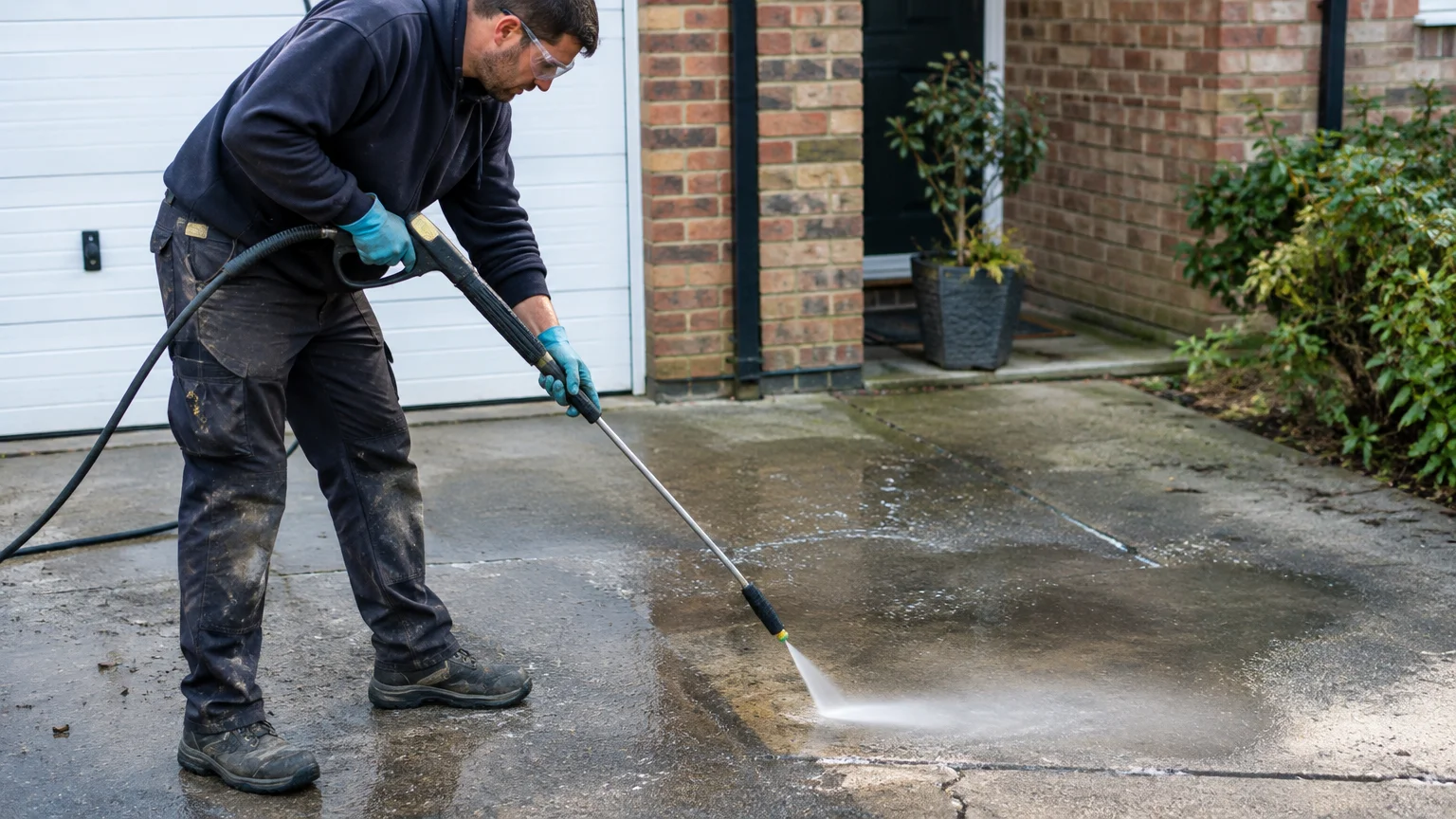
Set pressure to match the concrete’s condition. A broad fan pattern is often safer than a narrow stream. Start with the nozzle farther away, then move closer only if needed. Holding the spray in one spot can cut or stripe the surface.
Clean the driveway in small sections. This keeps dirty water from drying on areas that were already rinsed. Rinse from the highest clean area toward the planned collection or absorption area. Avoid spraying dirty water onto walls, doors, vehicles, or plants.
Pressure Washing Services may use surface cleaners on broad concrete areas. These tools can give a more even result than a hand wand. The operator still must control water, pressure, cleaner, and runoff. Equipment alone does not make a job eco-friendly.
How can you prevent driveway stains and buildup between cleanings?
Routine care helps prevent heavy buildup and reduces the need for strong cleaning. Sweep the driveway, respond to spills quickly, clear leaves, and watch shaded areas. Small tasks are easier on concrete and the environment than repeated deep cleaning.
Routine maintenance for concrete driveways
Sweeping every few weeks can remove grit, leaves, and soil before they collect in cracks. A garden hose may handle light dust when runoff can be controlled. Watch for standing water because it can support algae and speed surface wear.
Address oil spots as soon as they appear. Clean absorbent material can lift fresh liquid before it spreads. Handle the used material according to local disposal rules. Washing oil into a gutter is not safe.
Patio Cleaning Service and Sidewalk Cleaning may help when buildup connects several hard surfaces. Cleaning these areas together can make water planning easier. Each surface still needs a check because pavers, concrete, and old coatings react in different ways.
Sealing, spill response, and seasonal care
A concrete sealer forms a protective layer over the surface. It may reduce water entry and make some stains easier to clean. Sealers do not fix broken concrete and need proper surface preparation. Choose a product made for the driveway type and follow its cure directions.
Seasonal care depends on local weather. Do not let wet leaves sit for long periods. In warm, damp parts of Los Angeles, shade and poor drainage may call for more frequent light cleaning.
A maintenance plan should include checks after storms, vehicle repairs, and landscaping work. A simple record of stains and repairs can help you notice changes early. This supports a longer surface life without repeated heavy washing.
When should you hire a professional for eco-friendly driveway washing?
A professional can help when stains are severe, concrete is fragile, runoff is hard to control, or the driveway borders sensitive areas. DIY work is often fine for sweeping, light rinsing, and small fresh spills. It is less suitable when pressure or chemicals could cause lasting damage.
Signs that DIY cleaning may damage concrete or landscaping
Pause and seek help when the driveway has flaking, deep cracks, loose edges, or a weak-looking surface. Unknown stains also need care because some fluids react badly with common cleaners. A steep slope or nearby storm drain makes runoff planning harder.
Other warning signs include plants close to the spray area, standing water near a foundation, and old pressure-washing stripes. If a test spot darkens, powders, chips, or changes texture, stop the process. More pressure will not fix an unsuitable cleaner or damaged concrete.
Los Angeles Power Washing can help property owners compare DIY upkeep with professional driveway pressure washing. In Los Angeles, soil, slope, shade, and weather may change the best cleaning plan. The goal is a clean surface without creating another problem.
What to ask about cleaning methods, runoff handling, and environmental practices
Ask clear questions before hiring a service. The answers can show whether the team has a careful process instead of one setting for every job.
- Which cleaner will be used for this stain and concrete type?
- How will plants, pets, walls, and nearby surfaces be protected?
- What pressure and spray pattern will be used?
- Where will the wash water go during and after cleaning?
- How will the team handle oil, heavy algae, or water near a drain?
- Can the team explain which results may not be possible?
A trustworthy provider should welcome these questions. The team should also explain when a surface needs repair before cleaning. Property owners should compare answers, not just speed. Safe work, clear planning, and honest limits all matter.
Key takeaways
- Use the least pressure and cleaner needed for the stain.
- Test damaged or sealed concrete before broad cleaning.
- Keep detergent, oil, and dirty water away from storm drains.
- Protect plants, pets, siding, doors, and nearby vehicles.
- Choose professional help when slope, stains, or damage raise the risk.
Conclusion
Eco-friendly driveway cleaning depends on good choices, not one special product. A careful process uses measured pressure, targeted treatment, runoff control, and regular upkeep. It can remove common stains while helping protect concrete and nearby property.
Homeowners can handle light sweeping, small spills, and basic checks themselves. Professional help may be better for old oil, heavy organic growth, weak concrete, or difficult drainage. Contact us to discuss a careful cleaning plan with Los Angeles Power Washing.
Frequently Asked Questions
How do you remove oil stains from a concrete driveway?
Absorb fresh oil before it spreads. Then use a concrete-safe degreaser to loosen the remaining film, followed by controlled rinsing. Old stains may only fade because oil can enter concrete pores. Do not push oily water toward a street, drain, lawn, or waterway.
How often should a driveway be pressure washed?
There is no single schedule for every driveway. Shade, rainfall, traffic, trees, drainage, and spills affect buildup. Light sweeping and quick spill response can reduce the need for deep cleaning. Wash the surface when dirt, algae, or stains return.
What pressure washer is best for cleaning concrete?
The safest machine is one that can adjust to the concrete and cleaning tool. A wide spray pattern and steady movement help prevent marks. Start with lower pressure and test a small area. The strongest setting is not always best for older concrete.
Can pressure washing damage a concrete driveway?
Yes. Damage can happen when pressure is too high, the nozzle is too close, or the spray stays in one place. It may expose weak areas, leave stripes, or remove a worn surface layer. A pre-check and test spot can lower this risk.
Is pressure washing safe near plants and pets?
It can be safe when the cleaner is suitable, the mix is correct, and runoff is controlled. Protect plants from spray and dirty water. Keep pets and children away during cleaning and until the area is rinsed and dry. Always follow the product label.
If you are not sure what you are dealing with, it is worth having someone look at it before it turns into a bigger job. Get in touch with Los Angeles Power Washing today and we will tell you where you stand.